The Advantages of Wool Lined Leggings for Retailers: Comfort and Utility
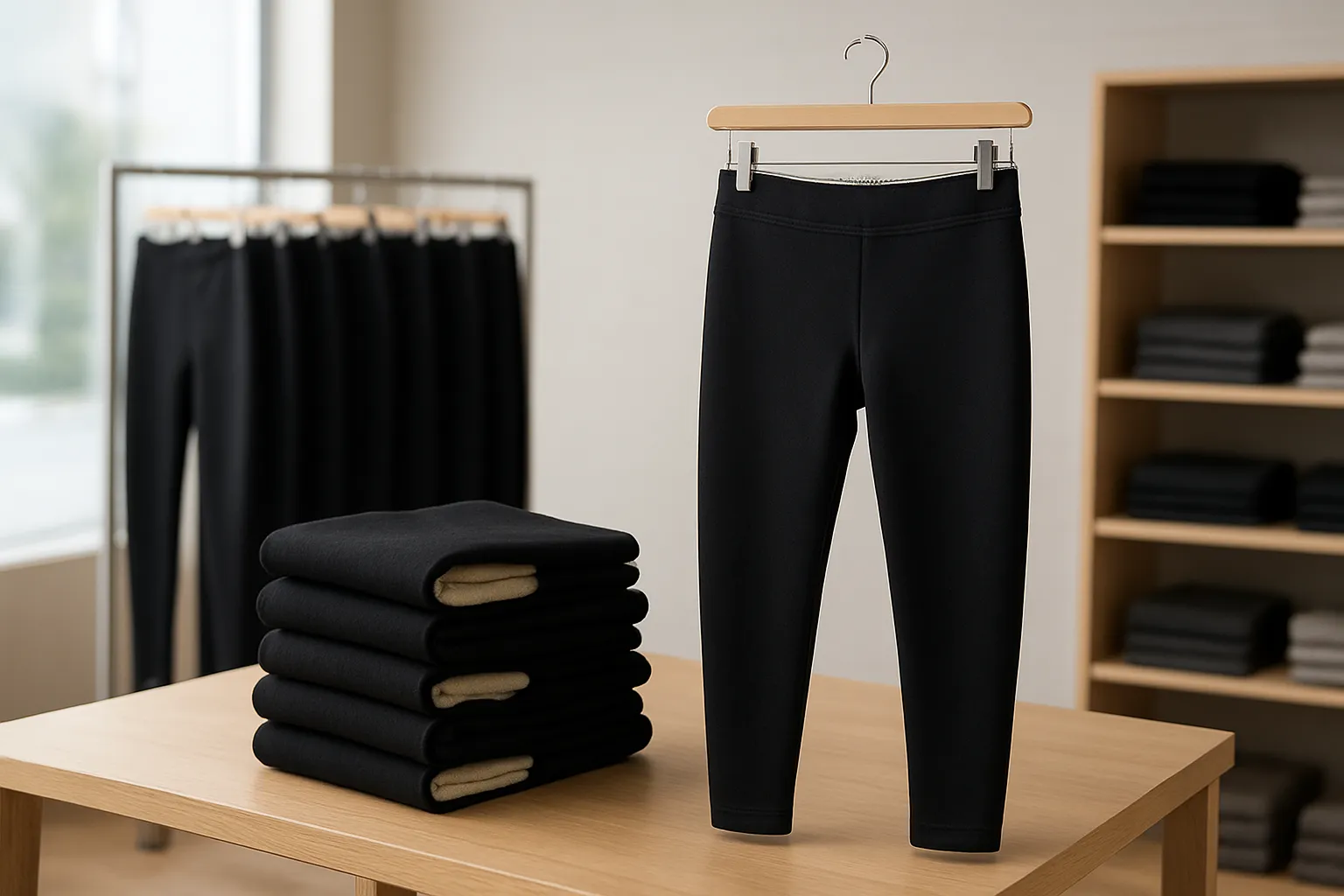
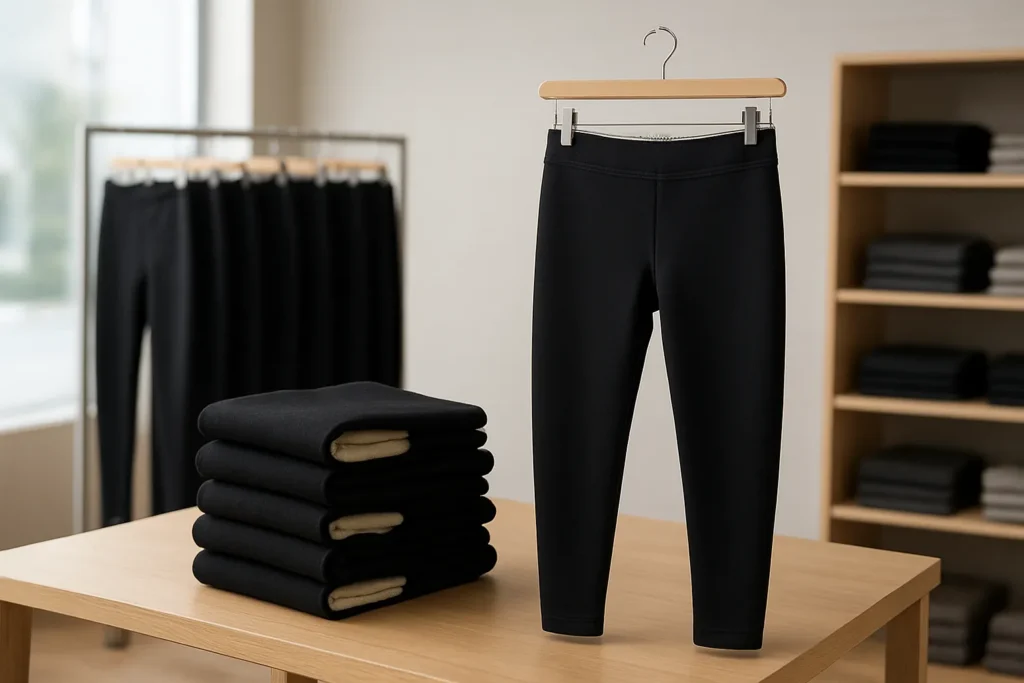
Wool lined leggings represent a remarkable blend of comfort and utility, designed to keep consumers warm while allowing for flexibility. With a soft wool lining that provides insulation yet remains breathable, these leggings are an excellent choice for colder climates. For bulk retailers, integrating wool lined leggings into their inventory can be a strategic decision, especially as consumer preferences shift towards high-quality, sustainable apparel. As the demand for stylish and versatile winter wear continues to rise, understanding the benefits of wool lined leggings can empower retailers to capture a significant share of the market.
Key Specifications of Wool Lined Leggings
In my experience, the material composition of wool lined leggings is one of their standout features. Typically made from a blend of high-quality wool and synthetic fibers, these leggings harness the natural warmth and moisture-wicking properties of wool. The synthetic elements add durability and stretch. This combination ensures that consumers enjoy comfort throughout the day.
Additionally, size and fit options are critical for bulk retailers aiming to meet the needs of a diverse customer base. Wool lined leggings come in a variety of sizes—from petite to plus—which guarantees that every customer can find a fit that suits them. Furthermore, options like high-waisted designs or ankle-length styles cater to different fashion preferences.
Retailers should also emphasize the durability of these leggings. Designed to endure regular wear, proper care is essential for maintaining their quality. Typically, care instructions recommend gentle washing and air drying to preserve the integrity of the wool. I believe educating customers on proper care can significantly enhance product longevity and boost overall satisfaction.
Use Cases for Wool Lined Leggings
Wool lined leggings are particularly in demand during the fall and winter months, as consumers seek warm yet fashionable clothing options. Retailers can capitalize on this seasonal trend by marketing these leggings as essential winter wear, appealing to customers who are looking for layering choices.
The primary demographic for wool lined leggings includes women aged 18 to 45, who appreciate both style and functionality. However, there is also a growing interest from men and children, suggesting that retailers could benefit from expanding their offerings to include unisex and kids’ styles.
Moreover, the versatility of wool lined leggings allows them to be marketed across various retail environments—from high-end boutiques to mainstream department stores. This adaptability enables retailers to position them as both casual and athleisure wear, appealing to a broad audience.
Comparing Wool Lined Leggings to Other Options
When contrasting wool lined leggings with those made from synthetic materials, the advantages of wool become clear. Wool excels in insulation, breathability, and moisture management, making it a preferred choice for winter apparel. Retailers should take the opportunity to highlight these benefits, helping consumers understand the value of investing in wool lined options.
Although wool lined leggings may carry a higher price point than standard leggings, the quality and durability justify this investment. Retailers can conduct competitive pricing analyses to ensure they offer attractive prices while maintaining healthy profit margins.
Performance metrics for wool lined leggings often include thermal regulation, moisture management, and overall comfort. Retailers should keep these factors in mind when marketing their products to ensure they meet consumer expectations.
Sourcing Wool Lined Leggings for Retail
Establishing connections with reliable suppliers is crucial for retailers who want to source wool lined leggings in bulk. Attending trade shows and utilizing online platforms can facilitate connections with manufacturers specializing in high-quality wool products.
When placing bulk orders, retailers should consider minimum order quantities, lead times, and shipping costs. It’s essential to negotiate terms that align with their inventory needs and sales forecasts.
Implementing quality assurance practices is vital to ensure that the leggings meet brand standards. Retailers should request samples and conduct inspections prior to finalizing orders to guarantee the quality of the products.
Implementing Wool Lined Leggings in Retail Strategy
Effective marketing strategies might include social media campaigns that showcase the leggings in various winter settings, influencer partnerships, and email newsletters that highlight seasonal promotions. Creating engaging content that illustrates the versatility of wool lined leggings can also be beneficial.
In-store displays should emphasize the warmth and comfort of these leggings. Using mannequins to showcase different styling options, along with informative signage about the benefits of wool, can capture customer attention effectively.
Gathering customer feedback is essential for continuous improvement. Retailers should encourage reviews and suggestions to adapt their offerings based on consumer preferences, ensuring they remain competitive in the market.
Frequently Asked Questions
Retailers often express concerns about the sustainability of wool sourcing and the environmental impact of production. Addressing these concerns transparently can foster trust and enhance brand loyalty.
For consumers, the benefits of wool lined leggings include comfort, warmth, and style versatility. Retailers should communicate these advantages clearly to attract and retain customers.
Establishing clear return policies and providing excellent customer service can significantly enhance the shopping experience. Retailers should ensure their policies are customer-friendly, allowing for easy returns or exchanges.
In conclusion, wool lined leggings offer a valuable opportunity for bulk retailers looking to expand their winter apparel offerings. By understanding the key specifications, use cases, and sourcing strategies, retailers can successfully incorporate wool lined leggings into their product lines, meeting consumer demand for quality and comfort during the colder months.