Exploring Lightweight Leggings: Trends in Activewear and Fashion
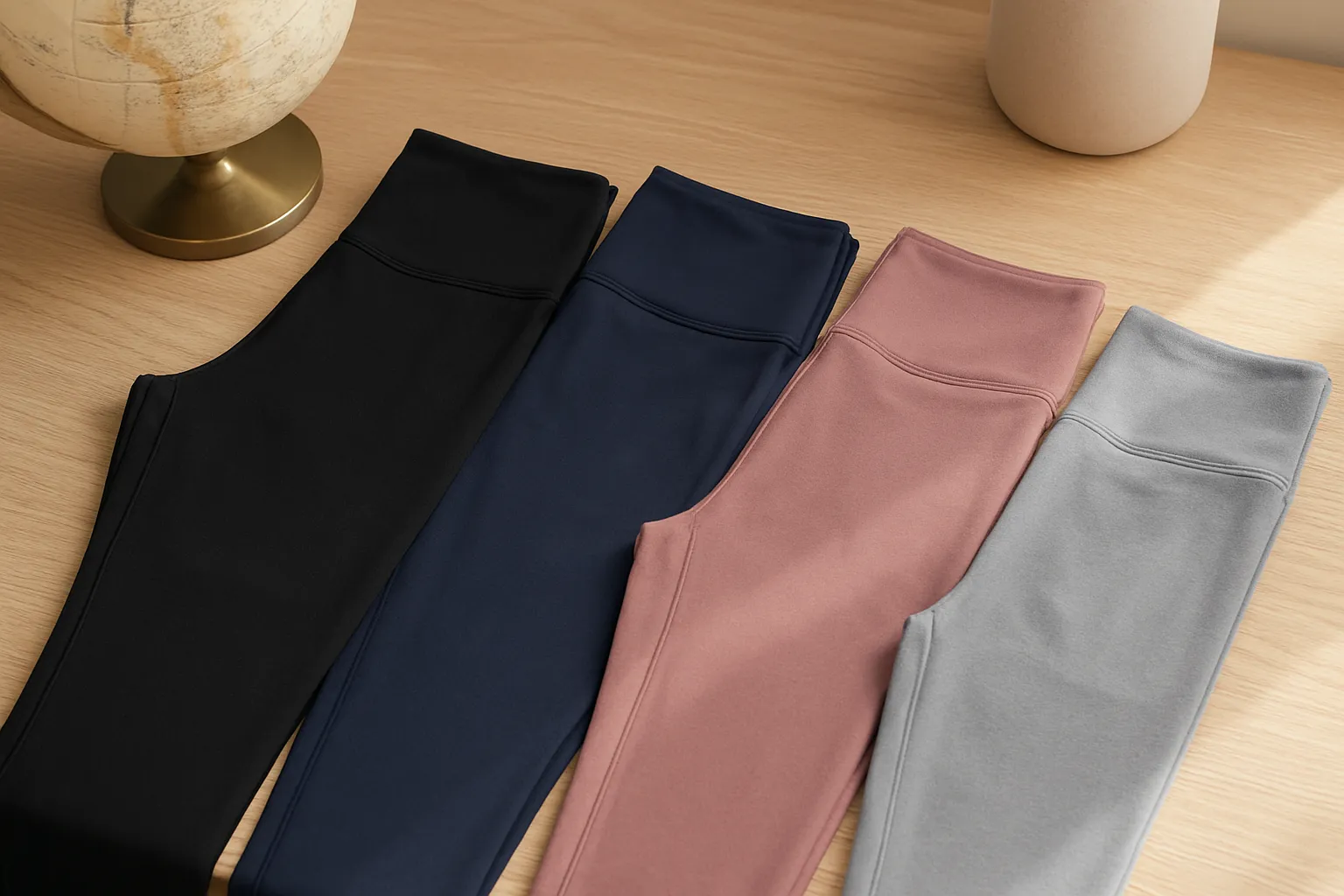
Lightweight leggings have become a significant segment in the activewear industry, known for their breathable fabrics, flexibility, and unparalleled comfort. Designed to provide maximum mobility while hugging the body snugly, these garments are perfect for a range of physical activities. As consumers increasingly seek comfort and functionality in their apparel, lightweight leggings have solidified their status as a staple in both fitness and everyday fashion.
The importance of lightweight leggings in the activewear market is immense. They cater to diverse consumer groups, from fitness enthusiasts to casual wearers, making them a versatile product for brands and retailers. To capitalize on this expanding market, it’s crucial for businesses to stay informed about the trends and opportunities surrounding lightweight leggings.
Current Market Trends
The recent surge in the popularity of lightweight leggings can be attributed to the rising trend of athleisure and an increased focus on health and wellness. Consumers are now demanding stylish yet functional clothing that can easily transition from workout sessions to social engagements.
Innovations in fabric technology have significantly enhanced the appeal of lightweight leggings. Brands are now utilizing advanced materials that offer moisture-wicking capabilities, increased stretch, and improved durability. These advancements not only enhance the leggings’ performance but also contribute to a more enjoyable wearing experience. In my experience, this technology allows for a level of comfort that can make all the difference during a workout.
Moreover, sustainability is becoming increasingly vital in the lightweight leggings market. As consumers grow more environmentally conscious, brands are integrating sustainable practices into their production processes. This includes the use of recycled materials and eco-friendly manufacturing techniques, which resonate well with today’s values.
Use Cases for Lightweight Leggings
The versatility of lightweight leggings makes them suitable for a wide variety of applications. In fitness, they provide essential support and flexibility for activities such as yoga, running, and gym workouts. Their lightweight nature promotes breathability, ensuring comfort even during intense physical exertion.
Beyond athletic use, lightweight leggings have carved a niche in everyday fashion. They can be paired with casual tops for a relaxed look or dressed up with accessories for a more polished appearance. I believe this adaptability is a major reason why consumers gravitate towards them, seeking both style and comfort.
Seasonal and climate factors also influence the use of lightweight leggings. In warmer weather, their breathable fabric keeps wearers cool, while in cooler months, they can be layered for extra warmth without added bulk. This functionality broadens the appeal of lightweight leggings across various climates and seasons.
Specifications and Features
When sourcing lightweight leggings, it’s crucial to consider their material composition. Common materials include nylon, polyester, and spandex, which provide stretchability and moisture-wicking properties. The right fabric can significantly enhance performance and comfort, making it a key consideration for buyers.
Additionally, fit and sizing options hold great importance. Lightweight leggings should come in a variety of sizes to accommodate different body types, ensuring that every consumer can find a perfect fit. Features like high waistbands and flat seams can further enhance comfort and support.
Performance features such as UV protection, anti-odor technology, and enhanced breathability are increasingly sought by consumers. These attributes not only improve the overall experience of wearing lightweight leggings but also set products apart in a competitive market.
Sourcing Lightweight Leggings
For businesses aiming to source lightweight leggings, identifying reliable suppliers and manufacturers is paramount. Partnering with reputable companies specializing in activewear can help ensure quality and consistency. Evaluating potential suppliers based on their production capabilities, material sourcing, and adherence to industry standards is essential.
When considering bulk purchases, factors such as minimum order quantities, pricing structures, and lead times must be taken into account. Establishing clear communication with suppliers can facilitate smoother transactions and enhance inventory management. Implementing quality control standards is also crucial to maintain product integrity and customer satisfaction.
Implementation Strategies for B2B Buyers
Integrating lightweight leggings into existing product lines requires thoughtful planning. Businesses should assess their target market and determine how lightweight leggings can complement their current offerings. Conducting market research to understand consumer preferences and trends is a vital step in this process.
Effective marketing strategies are crucial for reaching target audiences. Highlighting the unique features and benefits of lightweight leggings can help capture consumer interest. In my experience, leveraging social media, influencer partnerships, and targeted advertising can significantly enhance brand visibility and engagement.
Retail and distribution channels also play a pivotal role in the success of lightweight leggings. Businesses should explore both online and brick-and-mortar options to maximize their reach. Collaborating with fitness studios, gyms, and lifestyle retailers can provide additional avenues for distribution.
Comparison with Other Activewear
When comparing lightweight leggings to traditional leggings, the primary difference lies in their fabric and intended use. Lightweight leggings are typically made from thinner, more breathable materials, making them better suited for high-intensity activities. In contrast, traditional leggings may offer more compression but can lack breathability.
Similarly, when comparing lightweight leggings to other athleisure wear like joggers or shorts, the choice often depends on the specific needs of consumers. Lightweight leggings provide a streamlined fit that can be more flattering, while joggers may offer a more relaxed style.
Price point comparisons are also crucial for businesses. Lightweight leggings can vary significantly in price based on brand, material, and features. Understanding the competitive landscape can help companies effectively position their products in the market.
Frequently Asked Questions
What should I consider when buying lightweight leggings? Buyers should focus on factors such as fabric quality, fit, performance features, and brand reputation.
How can I identify quality lightweight leggings? Look for leggings with durable stitching, high-quality materials, and positive customer reviews to ensure quality.
What are the best practices for selling lightweight leggings? Emphasize unique features, leverage social media for marketing, and understand the needs of your target audience.
In conclusion, the market for lightweight leggings offers numerous trends and opportunities for businesses. By understanding consumer preferences, leveraging innovative technologies, and implementing effective sourcing and marketing strategies, companies can successfully navigate this dynamic sector and meet the growing demand for lightweight activewear.