How to Choose the Best Wholesale Leggings for Your Business Needs
Introduction to Wholesale Leggings
In the dynamic world of fashion retail, wholesale leggings have solidified their status as a must-have item for many retailers. The significance of wholesale leggings is substantial; they bring together versatility, comfort, and style, appealing to a diverse audience. As consumers increasingly seek both fashion and functionality, the demand for high-quality leggings continues to soar. This guide is designed to provide fashion retailers with the insights needed to choose the best wholesale leggings that align with their business objectives and customer expectations.
Key Specifications to Consider
When selecting wholesale leggings, several critical specifications must be evaluated to ensure the products meet market demands.
Material and Fabric Types
The material plays a crucial role in determining the quality and performance of leggings. Common fabric choices include cotton, polyester, spandex, and nylon. In my experience, cotton leggings are breathable and comfortable for everyday wear, while polyester blends excel in moisture-wicking, making them perfect for activewear. Retailers should carefully consider the intended use of the leggings when selecting fabric types to ensure they meet customer needs.
Size and Fit Options
Leggings come in a variety of sizes and fits, including high-waisted, mid-rise, and plus sizes. Offering a broad range of sizes is essential for retailers aiming to cater to a larger demographic, thereby enhancing customer satisfaction and loyalty. It’s vital to review the size charts provided by suppliers to ensure consistency and accuracy across your inventory.
Design and Style Variations
Fashion leggings are available in an array of designs, from basic solid colors to intricate patterns and prints. Retailers should remain vigilant about current trends and customer preferences to select styles that resonate with their target market. Additionally, paying attention to seasonal variations can assist in curating a relevant inventory that attracts buyers.
Use Cases for Fashion Leggings
Understanding the different applications for fashion leggings can significantly influence retailers’ purchasing decisions.
Everyday Wear vs. Activewear
Leggings can serve dual purposes—casual everyday wear and performance-driven activewear. Retailers should assess their customer base to determine which category aligns best with their business model. For instance, if your target market includes fitness enthusiasts, sourcing high-performance leggings becomes essential to meet their expectations.
Seasonal Trends and Styles
Fashion is inherently seasonal, and leggings are no exception. Retailers should be aware of upcoming trends, such as bold prints in spring or heavier fabrics in winter. By keeping an eye on fashion forecasts, retailers can stock items that are timely and appealing to consumers.
Target Demographics
Identifying the target demographic is crucial for selecting the right wholesale leggings. Different age groups and lifestyles will exhibit varying preferences in terms of style, fit, and functionality. Understanding these nuances can lead to more effective inventory choices and increased sales.
Comparing Suppliers of Leggings
Once retailers have a clear understanding of their needs, the next step is to evaluate potential suppliers.
Evaluating Supplier Reputation
A supplier’s reputation is paramount in ensuring quality and reliability. Retailers should conduct thorough research on potential suppliers by reading reviews, seeking testimonials, and checking their market history. A reputable supplier will boast a track record of delivering quality products on time, which is crucial for maintaining a successful retail operation.
Pricing Structures and Minimum Orders
Pricing is a vital consideration for retailers when sourcing wholesale leggings. It’s important to compare pricing structures across different suppliers and understand their minimum order requirements. This knowledge will help retailers manage their budgets and inventory levels effectively, ensuring profitability.
Quality Assurance and Return Policies
Quality assurance is essential in maintaining customer satisfaction. Retailers should inquire about the quality control processes that suppliers have in place. Additionally, understanding return policies is critical in case the products do not meet expectations or if defects arise.
Sourcing Wholesale Leggings
Finding the right suppliers is a crucial step in the process of sourcing wholesale leggings.
Finding Reliable Suppliers
Retailers can locate reliable suppliers through various channels, including online directories, industry publications, and referrals from other retailers. Networking within the fashion industry can also yield valuable contacts that can lead to trustworthy suppliers.
Trade Shows and Online Marketplaces
Attending trade shows gives retailers the opportunity to see products firsthand and forge relationships with suppliers. Online marketplaces, such as Alibaba or Global Sources, also provide a wide range of options; however, retailers should conduct thorough due diligence to verify supplier credibility before placing any orders.
Building Relationships with Suppliers
Fostering strong relationships with suppliers can lead to better pricing, priority access to new products, and improved communication. Regular engagement and feedback can cultivate a mutually beneficial partnership that enhances both parties’ success.
Implementation Strategies for Retailers
Once the right wholesale leggings have been sourced, retailers should consider how to implement their new inventory effectively.
Inventory Management Tips
Effective inventory management is crucial for maximizing sales and minimizing waste. Retailers should utilize inventory management software to track stock levels, sales trends, and reorder points, ensuring that they are always prepared to meet customer demand.
Marketing Wholesale Leggings
Marketing strategies should emphasize the unique selling points of the leggings, such as comfort, style, and versatility. Leveraging social media, influencer partnerships, and targeted advertising can help reach the desired audience more effectively.
Display and Merchandising Ideas
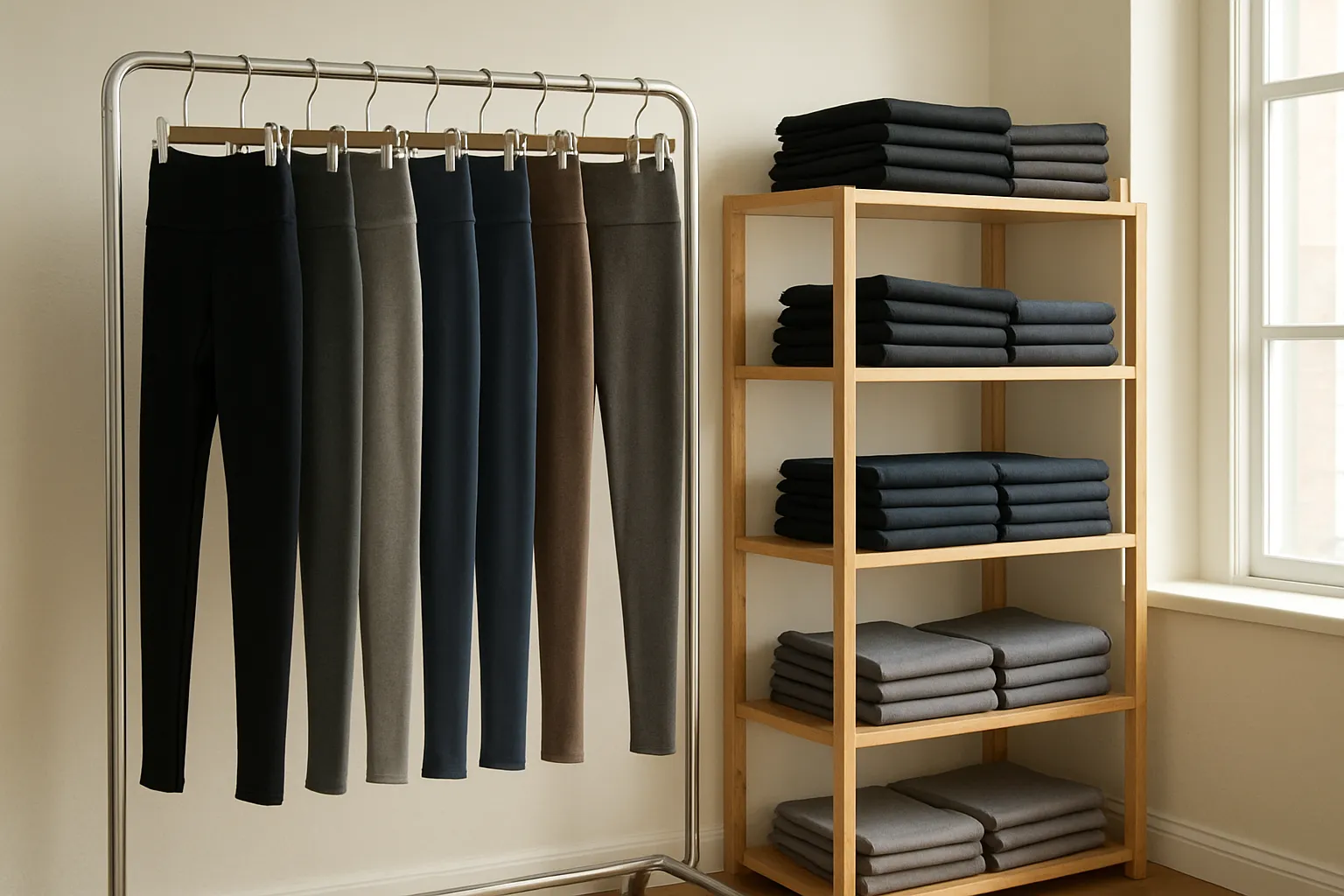
Creative merchandising can enhance the appeal of leggings in-store. Consider using mannequins, eye-catching displays, and strategic placement to attract customers’ attention and encourage purchases.
Frequently Asked Questions
What to Look for in a Supplier?
Retailers should prioritize suppliers with a strong reputation, quality products, and favorable terms. Communication and responsiveness are also key factors to consider when evaluating potential partners.
How to Ensure Quality Control?
Implementing a quality control process that includes inspecting samples before bulk orders and maintaining open communication with suppliers can help ensure product quality and consistency.
What Are the Latest Trends in Leggings?
Staying informed about the latest trends, such as sustainable materials and innovative designs, can help retailers remain competitive in the market, ensuring they offer what customers want.
Conclusion
Choosing the best wholesale leggings requires careful consideration of various factors, from material and fit to supplier reputation and market trends. By adhering to the guidelines outlined in this article, fashion retailers can make informed decisions that enhance their product offerings and meet customer demands effectively. With the right approach, wholesale leggings can become a profitable segment of any fashion retailer’s inventory.